Building Permit in the Philippines, in Plain English
The permit steps in order, and what to ask your local building official at each one.
A building permit is a series of steps with several offices, not a single form. Knowing the order helps you plan your time and your documents.
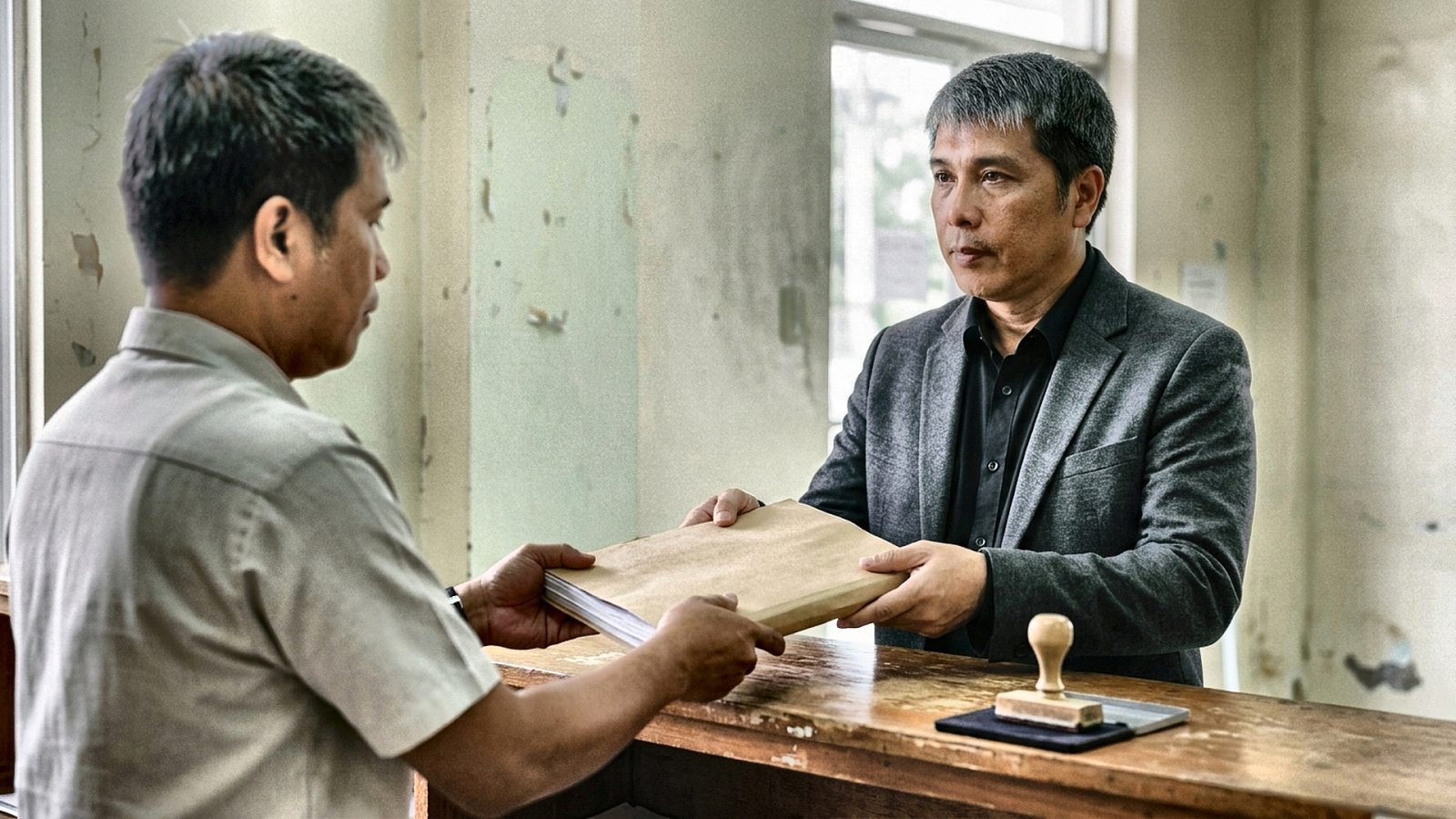
Requirements differ between cities and municipalities. Treat this as a map and confirm each step with your local building official.
01Start with your documents
Permit offices typically ask for proof of the lot, tax records and a lot plan. One city’s published list includes the land title, tax declaration and tax receipts.
Ask your local office for its current checklist before you prepare anything.
Make copies of everything and keep the originals safe. Offices may ask for documents again at different steps. Offices decide on documents, so a complete set saves repeat trips. Example: if the office asks for the tax declaration and you only have the title, you will have to return and wait again. Why this works: confirming the current checklist before you start prevents delays caused by a missing paper.
02Plans prepared by licensed professionals
Drawings are prepared and signed by licensed professionals. The set usually covers architectural, structural and other plans.
Your architect coordinates the set so the office receives a complete package.
Do not start work on site because someone says the permit is coming. Ask your architect to confirm in writing when work may begin. Signed plans from licensed professionals are what the office reviews, and they set when work may begin. Example: a contractor says you can start digging because the permit is coming soon; ask your architect to confirm in writing first. Why this works: written confirmation protects you from starting work that the office may later stop.
03Clearances and review
Always confirm the steps with your own city or municipality.
Some cities require a zoning or locational clearance before the building permit is processed. The building official then reviews the plans against the code and local rules.
Ask which clearances apply to your lot and how long each office says it will take.
Keep a simple log of the date you filed, who received it and any reference number. It makes follow-ups easier. Each clearance and review step has its own office and timeline. Example: write down the filing date, the person who received your papers and the reference number each time you submit. Why this works: a simple log makes follow-ups specific, and it shows you where a file is waiting.
04After the permit
Keep the approved plans and permit on site during construction. Changes to the design after approval may need to go back to the office.
Ask your architect to explain what needs a new approval before construction starts.
If an inspection is required at any stage, ask who schedules it and what the office will look for. The approved set is the version the contractor must build. Example: if you decide to enlarge a window after approval, ask your architect whether it needs a new approval before the contractor starts. Why this works: knowing what needs approval prevents changes that could hold up inspections later.
05Questions for your building official
Planning to build?
Bring your lot and your timeline, and we will talk through what comes first.
Book a free 15-minute consultation Limited slots each week